



A Beginner's Guide to Booking a Beach Wedding Venue in Cornwall
How to book a beach wedding ceremony in Cornwall, covering landowner permits, tide timing, guest access, the legal side, backup plans and the rules that catch couples out.
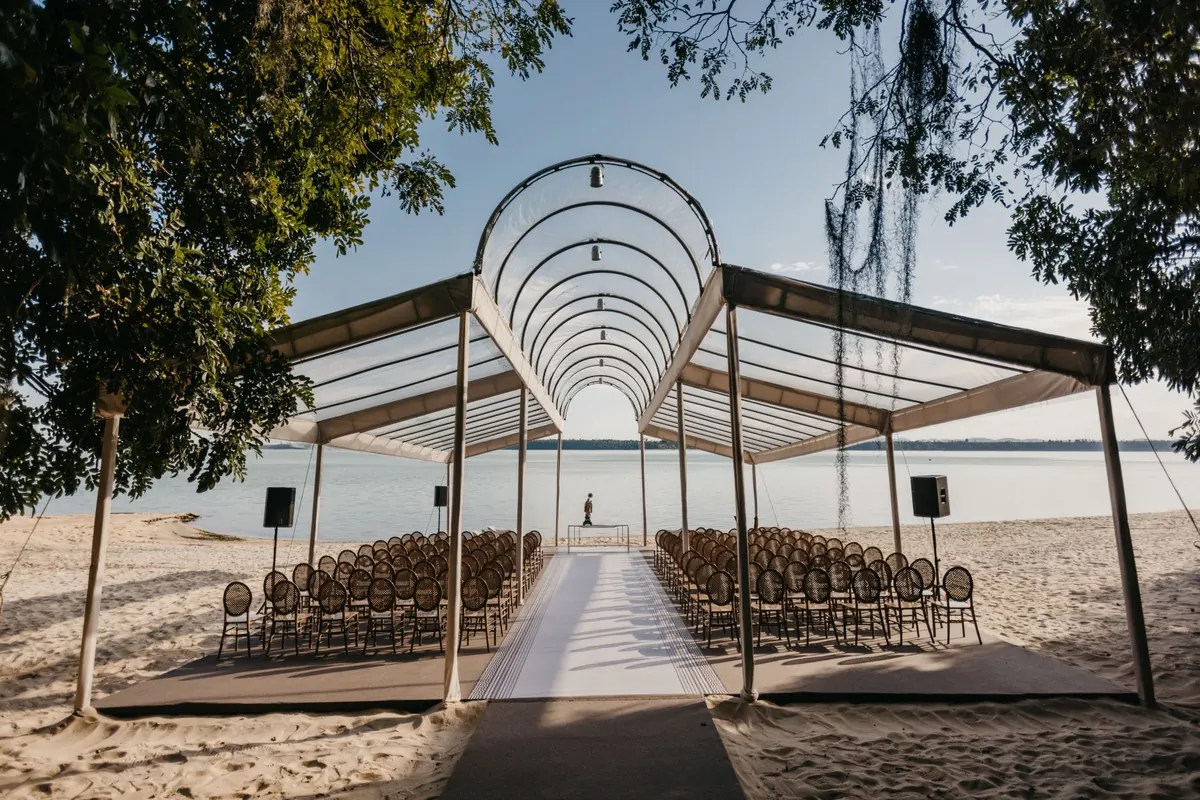
Choosing a beach for your ceremony is the easy part. Making it work when the wind swings round, the tide is on the push and ninety guests need somewhere to park is a different job entirely. Cornwall has no shortage of spectacular sand — Porthcurno, Gwithian, Porthgwidden, Sennen — but only a limited number of beaches where a wedding can happen without a headache.
What follows is the practical groundwork: who owns the sand, what the tide is doing, how people actually get down to it, and what to do when the weather turns. Do this early and the romance of the day takes care of itself.
Start With the Question of Ownership
The venue and the beach are usually two separate things. A hotel may hold a licence for its terrace, lawn or function room, and have no rights at all over the sand below the sea wall. Cornwall Council manages many of the county's beaches; the National Trust, the Duchy of Cornwall, parish councils and private estates look after others. A handful of coves — often attached to a beachside venue — are privately owned and set up for ceremonies.
So before you fall for a particular stretch of sand, find out who controls it and ring them. Ask three things: do you allow wedding ceremonies here, what permit or permission do I need, and how far ahead should I apply? Anything beyond a small, brief gathering — chairs, an arch, a registrar, amplified sound — is usually treated as an event, and events need paperwork, insurance and notice. Expect to be asked for public liability cover. Fees and conditions change, so get the answer in writing rather than trusting a forum post from three summers ago.
Read the Tide Table Before You Fall in Love With a Cove
Tide is not a scheduling detail. It decides where you stand, how much sand your guests have and whether that lovely narrow cove is a beach or a shingle strip against the wall. Aim for roughly two hours either side of low water if you want dry sand for seating and a comfortable walk down.
Two more things most people miss. First, spring tides reach further in and uncover far more sand than neap tides — the difference can be the whole ceremony layout. Second, sunset time matters as much as tide time; a 6pm ceremony in September is a very different proposition from 6pm in June. Pick one reliable source — the harbour office, a reputable tide app, the Admiralty tables — and stick to it, then print a paper copy for the day itself.
Wind and swell deserve equal attention. A forecast of "small swell" still pushes water up the beach on an exposed north coast strand, and a stiff onshore breeze will have sand in everyone's eyes by the vows.
Getting Guests Onto the Sand
The most common reason a beach ceremony turns stressful is access — not the ceremony itself. Soft sand, a steep slipway and a hundred-metre walk is fine for a barefoot couple and miserable for a grandmother in heels.
Parking and drop-off
Ask where a car can actually stop to let people out, how far that is from the sand, and whether there is a turning space for a minibus or coach. Narrow lanes look charming until a supplier's van meets a tractor.
Steps, slopes and soft sand
Look for a slipway, a hard path to the beach, or a promenade entrance. If anyone in your party uses a wheelchair or finds walking difficult, ask specifically about beach wheelchairs, ramps and matting, and be honest about what the site can and can't offer.
Toilets and shelter
A nearby café, pub or beachside venue is worth more than any decoration. Somewhere to shelter, use a loo and get a hot drink transforms a damp day.
Questions worth putting to the landowner or venue in one email:
- Where can guests park, and is there a drop-off point?
- Is there a hard path or slipway onto the sand?
- Are there public toilets open on the day?
- Is there anywhere under cover if it rains?
- What time do we have to be off the beach by?
- Do you require marshals, stewards or a set number of helpers?
The Legal Bit: What Makes a Ceremony Official
In England, a marriage or civil partnership has to take place in a registered building or approved premises, or in a place of worship. A patch of sand is none of those, which is why many couples hold a celebrant-led ceremony on the beach and complete the legal registration separately at a register office, often a day or two before or after.
Some privately owned coves and beachside venues do hold licences allowing ceremonies on their land, so it is always worth asking directly — and getting the answer confirmed in writing. Speak to Cornwall's registration service early, as diary slots fill months ahead. Because the rules on where and how a legal ceremony can take place are specific, take proper advice from the registration service before you commit to a date; don't rely on what worked for a friend in a different county.
Backup Plans, Wind Plans and Triggers
Decide your wet-weather plan before you book anything else, and write down the trigger. Something like: if the forecast at 8am the day before shows sustained rain or winds above a level you're comfortable with, we move to the marquee. Name one person who makes the call, and one person who tells the guests.
Keep the same order of events, the same wording and the same celebrant wherever you move to, so the day still feels like the day you planned. Have a wind plan as well — a sheltered corner, a shorter aisle, a plan for hair and veils — and a heat plan, with water, shade and sunscreen if you've chosen a July afternoon with no cover. If the swell or tide rules out the sand entirely, know in advance whether you can shift to the top of the beach, the promenade or a terrace instead.
Rules and Permissions That Catch Couples Out
- Amplified music. Many landowners and councils restrict or refuse PA systems outdoors. Ask before hiring a band.
- Naked flames. Candles, lanterns and sky lanterns are usually refused on fire, wildlife and litter grounds.
- Confetti and petals. Often banned. If allowed, stick to biodegradable options and clear them up.
- Drones. Need the landowner's permission and may be restricted near crowds or airfields.
- Structures. Arches, staging and seating may have to be removed the same day, and some lanes won't take a lorry.
- Dogs. Many Cornwall beaches have seasonal dog bans through the summer months.
- Leave no trace. Take everything away, including glass, and check where bins are — or bring your own bags.
Your Booking Order, Start to Finish
- Shortlist three beaches that already host ceremonies or sit beside a wedding venue.
- Confirm ownership and ask about permits, insurance and notice periods.
- Check tide times, sunset and seasonal restrictions for your intended date.
- Visit at the same time of day and similar tide state as your ceremony, if you can.
- Sort the legal route with the registration service and secure your slot.
- Get the venue's and landowner's requirements in writing, then book the backup.
- Book suppliers — seating, marquee, transport, toilets — once the plan is firm.
- A fortnight out, reconfirm tide times, access and the weather trigger, and brief whoever is making the call.
Beach weddings in Cornwall are entirely doable, but they reward patience and paperwork. Do the boring checks first and you'll spend your wedding day looking at the sea rather than at a forecast.
Photo: Jonathan Borba / Pexels